
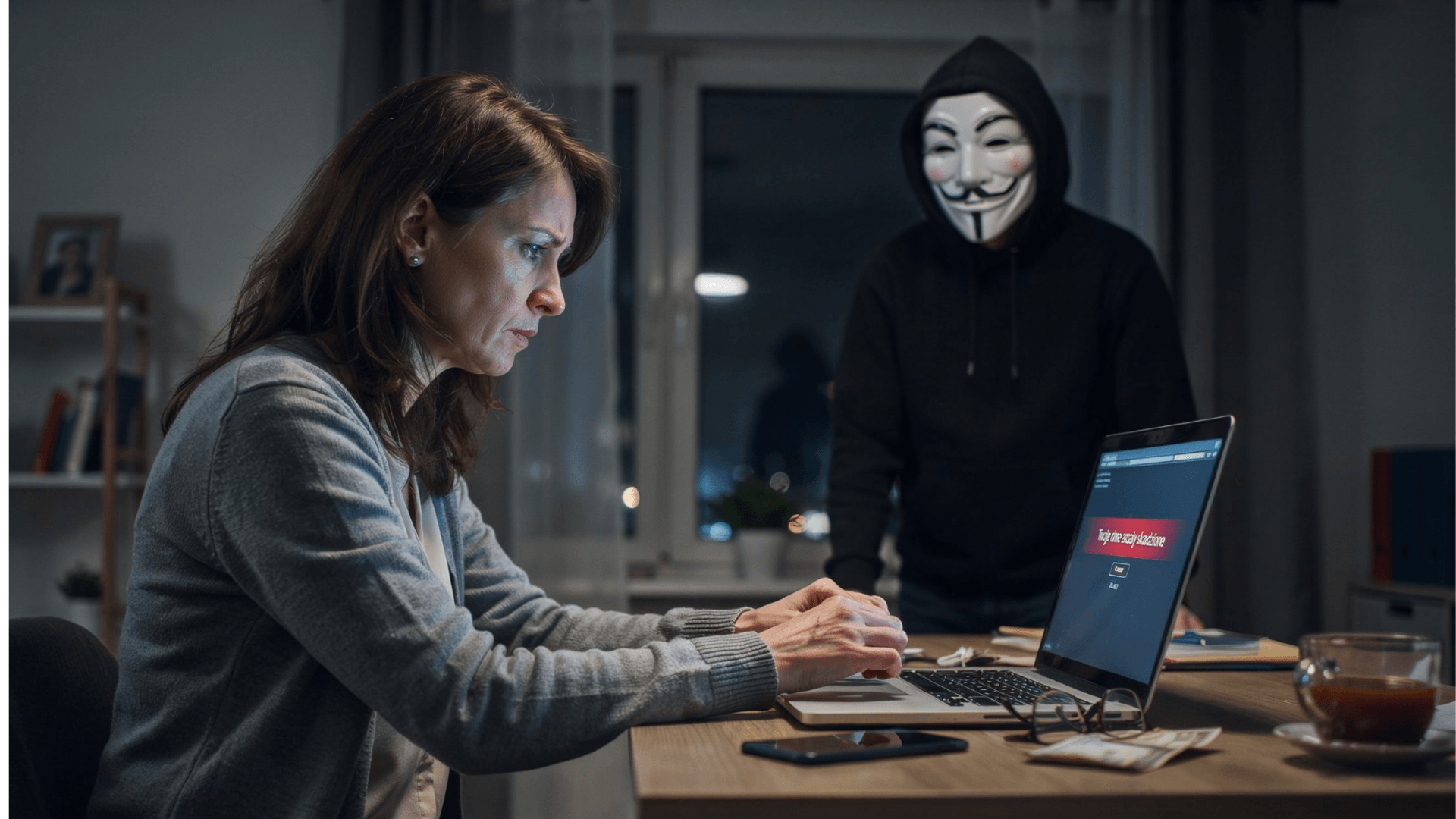
Key takeaways:
- A 52-year-old woman from the Wohyń commune was manipulated by a fake “investment advisor”.
- For approximately 9 months, the woman transferred funds to the indicated accounts, losing almost PLN 30,000.
- The services appeal for vigilance: legal institutions do not require installing software or providing access to accounts; If in doubt, consult your loved ones or the police before sending money.
A resident of the Wohyń commune wanted to invest in cryptocurrencies. As a result, she lost almost PLN 30,000. “We appeal for extreme vigilance and attention! Let us remember to check the information we receive from the Internet,” the police say.
The investment in cryptocurrencies ended with a loss
The 52-year-old found an advertisement on one of the social networking sites encouraging people to invest in cryptocurrencies using a “professional investment platform”. She completed the available contact form. Shortly thereafter, a “financial advisor” contacted her. All communication took place via instant messenger.
(…) the woman was instructed in detail how to make payments to start the investment. (…) she deposited the money into her own accounts, from where she ordered transfers to accounts indicated by alleged financial advisors. The “advisors” presented her with the principles of operation of the platform, assured her of high profits and investment security, effectively gaining the trust of the injured party.
It didn’t end there: the woman installed the AnyDesk application recommended by her “advisor” on her smartphone. This is a program that allows you to take control of your device. So it’s about remote access. Everything lasted for about 9 months.
The case comes to light
Of course, the alleged “financial advisor” was a fraud.
Using social engineering techniques, fake websites and special software, the perpetrators caused the woman to lose her money
– adds staff aspirant Piotr Woszczak.
Her money did not go to the cryptocurrency exchange, but was transferred to other bank accounts and cryptocurrency wallets. In total, the 52-year-old lost almost PLN 30,000. When she realized what had happened, she reported the matter to the police at the District Police Headquarters in Radzyń Podlaski. Currently, officers are conducting activities aimed at identifying the perpetrators.
We appeal for special and increased caution when dealing with people offering quick and easy profits on the Internet. We remind you – no legally operating financial institution requires installing additional software or providing access to online banking
– informs the police.
As aspirant Woszczak adds, “the holiday season is a time of increased activity of fraudsters” who “take advantage of our haste, trust and desire for profit.”
How not to fall for scammers?
But how do you avoid falling for scammers? You should never give anyone your bank account login details, SMS codes, authorization codes or information allowing access to your cryptocurrency wallet. The seed phrase, i.e. a set of words that allows you to recover the wallet, should be particularly protected – a person who knows it can seize all the funds in it.
You should be careful with people who contact us via the Internet and propose investments. Fake “analysts”, “brokers” and “financial advisors” often show prepared profit charts and encourage further payments. Legitimate financial institutions do not pressure customers to make instant decisions or ask for access to private devices.
It is also worth watching out for people offering to recover money lost after previous fraud. So-called “cryptocurrency recovery specialists” are often the next criminals who try to extort additional fees or access data.
However, the most important thing is to use common sense. If an investment offer sounds too good to be true, requires rushing, installing additional applications or providing confidential information – it is most likely a fraud attempt. A few minutes spent checking the offer can save you from losing thousands of zlotys.