
Key conclusions
- In July, $1.04 billion was paid with cryptocurrency cards in over ten million transactions. A year earlier, just over 300 million.
- The average payment increased from $59 to $86, with the money going toward groceries, rides and food deliveries.
- Stablecoin pegged to the euro had up to 88 percent of this market at the beginning of 2024. In July he was under two.
- A caveat to all the above numbers: the three platforms account for approximately 77 percent of the tracked volume, and the data for the largest of them is self-declared.
The average cryptocurrency card user in Brazil spends about $400 a month with it in twenty transactions. Twenty dollars for payment. Every third person dies in a grocery store.
These are not the numbers of someone exiting an investment. These are the numbers of someone who is shopping.
What has changed during the year
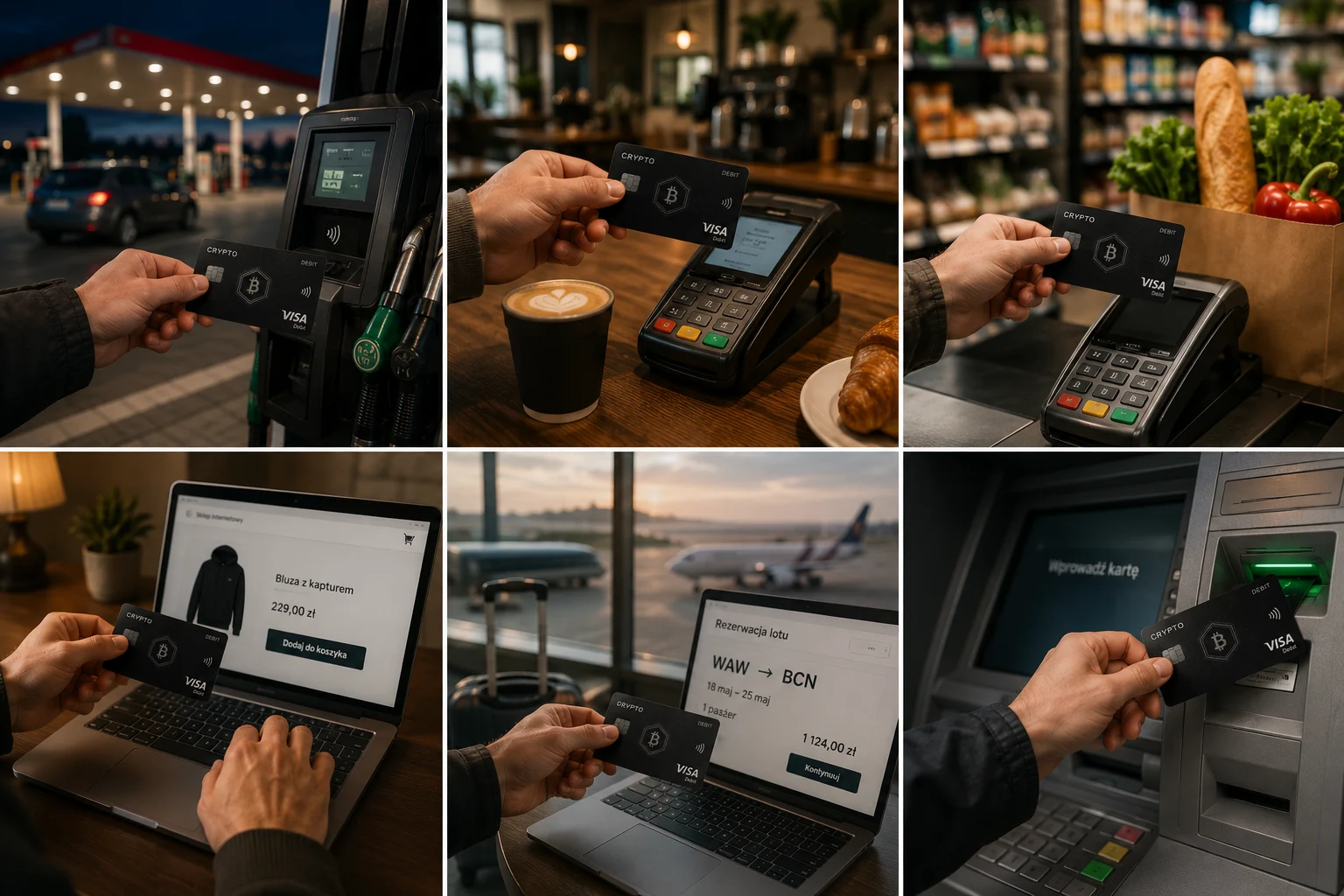
The cryptocurrency card works trivially. You keep your stablecoins with the issuer or in your own wallet, and the balance is converted into PLN at checkout. For the store, it’s just a regular card transaction and that’s it. No one on the other side of the terminal knows that you are paying with a digital dollar.
For years, these cards have been used for one thing: to get out of crypto and into cash. Large amounts, rarely. Now the volume has tripled, and the average payment has only increased from $59 to $86, or roughly PLN 310. There are many more transactions and they are smaller.
The card is no longer a way out of the market. It has become a way of paying.
What is this money going for?
Operators agree: for food and commuting. Oobit reports that in Argentina, food accounts for 41 percent of transactions, and seven out of ten payments there are in USDT. Kraken reports the same from the other side of the world: in-store purchases account for almost 60 percent of spending on its card.
How much does this mean for the entire market? Less than it seems. The market you follow is very concentrated. Three platforms, led by RedotPay, account for approximately 77 percent of the volume. RedotPay numbers are declared by the company, not read from the blockchain.
This is not a snapshot of the payment world. This is a photo of the three platforms and the tail behind them.
Why did the euro disappear from these cards?
The EURe stablecoin, pegged to the euro, accounted for up to 88 percent of tracked card spending in early 2024.
In July he was under two.
Eighty-eight and two. In two years. The market for daily cryptocurrency payments was built on the dollar, and the European alternative became a curiosity there. I believe that for a European reader this is more important than the billion in the headline.
What does this mean for you
Before you reach for such a card, check three things.
First of all, who issues it, what country it is based in and what is the relationship between the issuer and the provider of the wallet from which you spend these cryptos. The card issuer is not a bank and is not covered by the guarantee. The situation is similar with the stock exchange and self-custody portfolio. It is best to transfer small amounts to the wallet associated with the card for current expenses.
Secondly, currency conversion. The rate and spread are set by the issuer, and this is a real cost, the structure of which should be found in the regulations, not in marketing messages.
Third, taxes. A stablecoin payment may be a taxable event because it is an exchange of an asset for a good, not a withdrawal from an account.
So let’s go back to Brazil. One local card payment averages twenty dollars. This market does not grow from speculation, but from everyday purchases.