
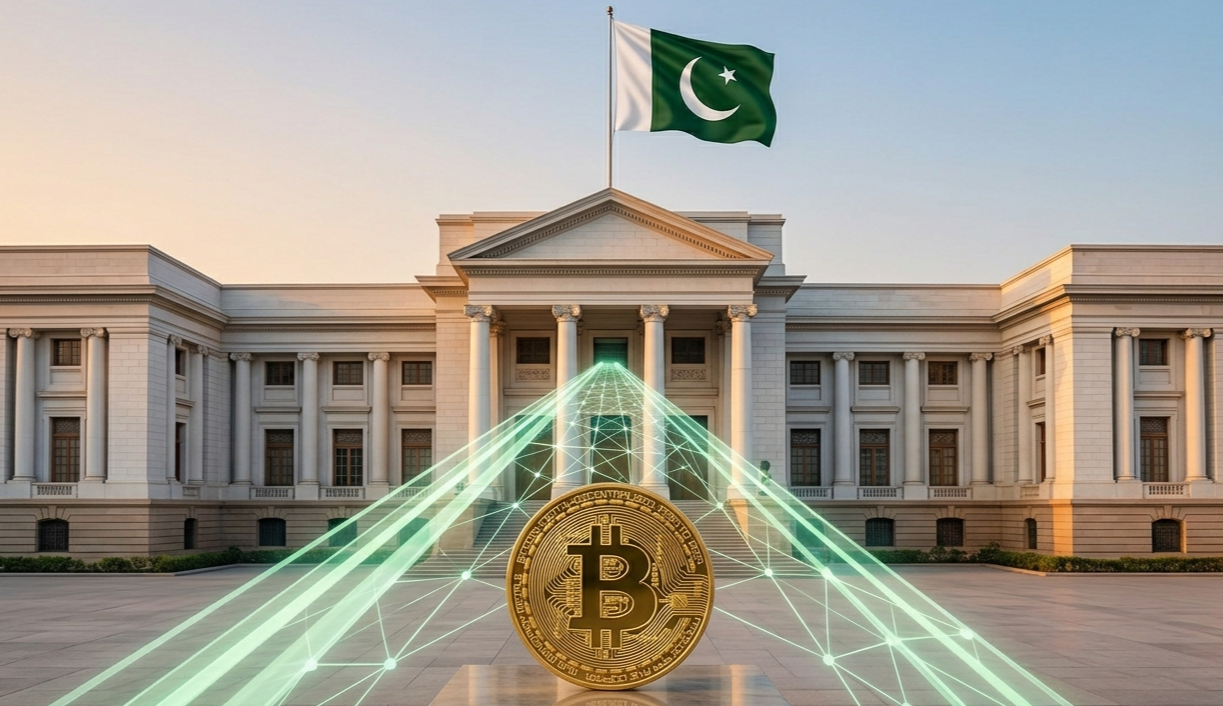
Pakistan is currently undergoing one of the most significant transformations in its financial sector in a decade. The State Bank of Pakistan has officially withdrawn from the restrictive ban on providing banking services to companies from the digital assets sector, which had been in force since 2018. This decision, supported by a new legal framework in the form of the Virtual Assets Act of 2026, opens the local banking system to licensed virtual asset service providers. This is a historic moment that aims to regulate the gray zone and attract modern financial technologies and foreign capital to the country.
New rules for cooperation with the VASP sector in Pakistan
The introduced regulations precisely define the principles on which Pakistan intends to integrate the crypto industry with traditional banking. The key supervisory authority has become the Pakistan Virtual Assets Regulatory Authority, which is responsible for issuing licenses to entities wishing to operate on the local market. According to the new central bank regulation, traditional banks can now open accounts for these entities, but this process is subject to stringent requirements. Every financial institution must conduct full due diligence and regularly update the risk profiles of its customers. The aim of these activities is to ensure full compliance with anti-money laundering and terrorism financing standards, which is a priority for a country like Pakistan in the context of international financial credibility.
Security of funds and restrictions for banks
Pakistan as a new hub for blockchain technology
The latest developments are part of a broader strategy to position Pakistan as a regional innovation leader. After years of stagnation caused by being cut off from banking services, the local market is beginning to attract giants such as Binance and HTX, which have already received preliminary regulatory approvals. State authorities are actively looking for common ground with global players, as evidenced by talks regarding the tokenization of assets worth billions of dollars or the use of stablecoins in international settlements. Thanks to the new regulations, Pakistan is not only catching up with global trends, but is creating a structured environment that has the potential to become a model for other emerging markets. Leaving banking isolation is a clear signal to investors that the country is ready for a digital future based on transparency and modern regulations.