
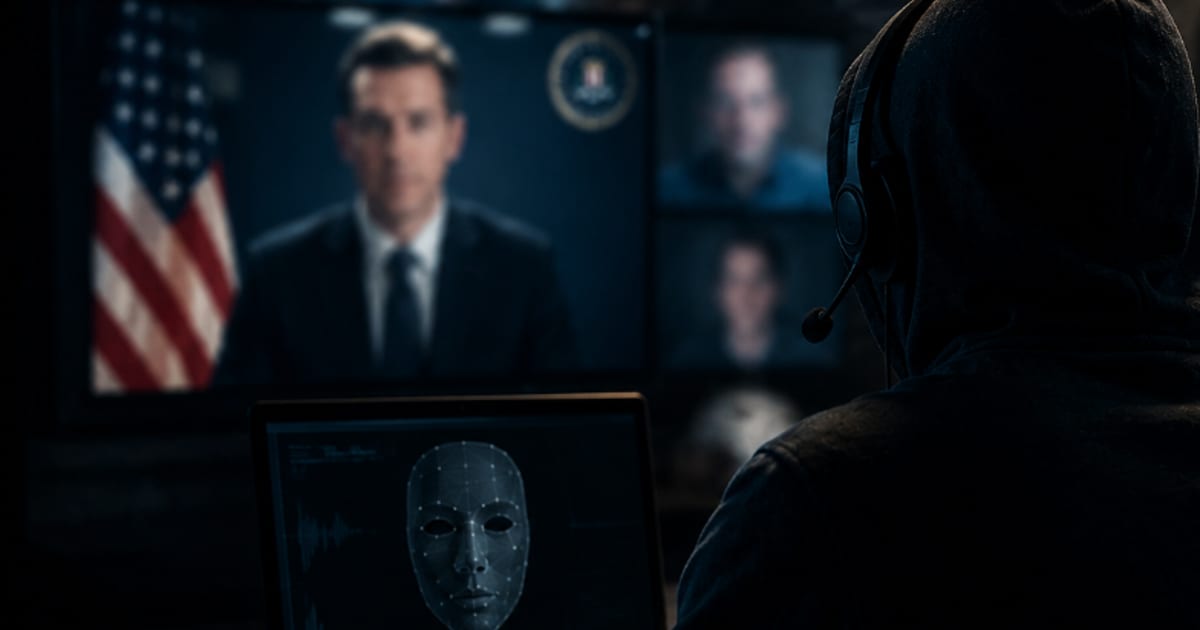
- The FBI warns against another wave of scams targeting people who have previously suffered online losses.
- Gangsters create realistic deepfake videos with images of investigators and send users to fake websites.
- The IC3 cell does not impose any fees for handling reports and does not maintain profiles on social networking sites.
The action plan is based on building a false sense of security and full professionalism. The perpetrators generate advanced deepfake videos and very realistic, synthetic voice samples. In these recordings, characters posing as government officials guide Internet users to special application forms.
At the same time, criminals set up extensive websites on the Internet that visually resemble the structure of the Internet Crime Complaint Center (IC3) website.
The forms provided require detailed personal data, telephone numbers, e-mail addresses and estimates of previous losses. After completing the survey, the system automatically generates a false case ID. Then, the alleged representative of law enforcement agencies contacts the injured party, demanding initial payments, commissions or access details to bank accounts.
🚨 FBI/IC3 just warned that scammers are using AI deepfake videos of FBI officials to push fake recovery sites. They’re specifically hunting people who already lost money. Contact often starts on Messenger or Telegram with the promise: “We’ve recovered your funds.” Critical

How criminals obtain data and who they target
The database of potential targets is based on illegally obtained lists of contacts from previous frauds. The Federal Trade Commission (FTC) and the Commodity Futures Trading Commission (CFTC) point out that cybercriminals are buying data lists containing names and detailed histories of failed investments.
Knowing the exact amounts that a given Internet user has lost helps build high trust during the first conversation.
Direct contact most often takes place via popular instant messengers, including Telegram or Facebook Messenger. Fraudsters also use e-mails and traditional telephone calls using technology to impersonate the numbers of well-known institutions. The perpetrators declare full assistance in recovering property, including digital assets such as Bitcoin or Ethereum.
In return, they demand coverage of alleged processing fees, income taxes, or verification procedures. They ask for regular bank transfers, gift card purchases or direct transfers of cryptocurrencies to designated wallets.
Do you currently have cryptocurrencies?
It’s about cryptocurrencies on an exchange, in an application or in a wallet. Don’t treat cryptocurrency ETFs, ETNs and ETPs as ownership.
The survey is anonymous and voluntary. We do not collect your name or IP address. We only publish data in aggregate. Privacy Policy
FBI position and security procedures
The published statement by the FBI shows that the official IC3 unit never requests money for its investigative activities. The office does not operate on commercial social media platforms and does not run any official communication channels there.
Cybersecurity experts indicate that following links sent in private messages carries the risk of data loss. In the realities of the American legal system, all incidents of this type are reported directly on the official IC3 portal.
Analysts verifying reports rely on the collected evidence. In such situations, it is recommended to collect full correspondence history, perpetrators’ contact numbers, e-mail addresses and transaction IDs from the blockchain network.
A complete breakdown of data makes it easier for investigators to track the flow of extorted digital assets. The practice of law enforcement agencies shows that no real government institution applies time pressure or requires immediate payments to private addresses.