
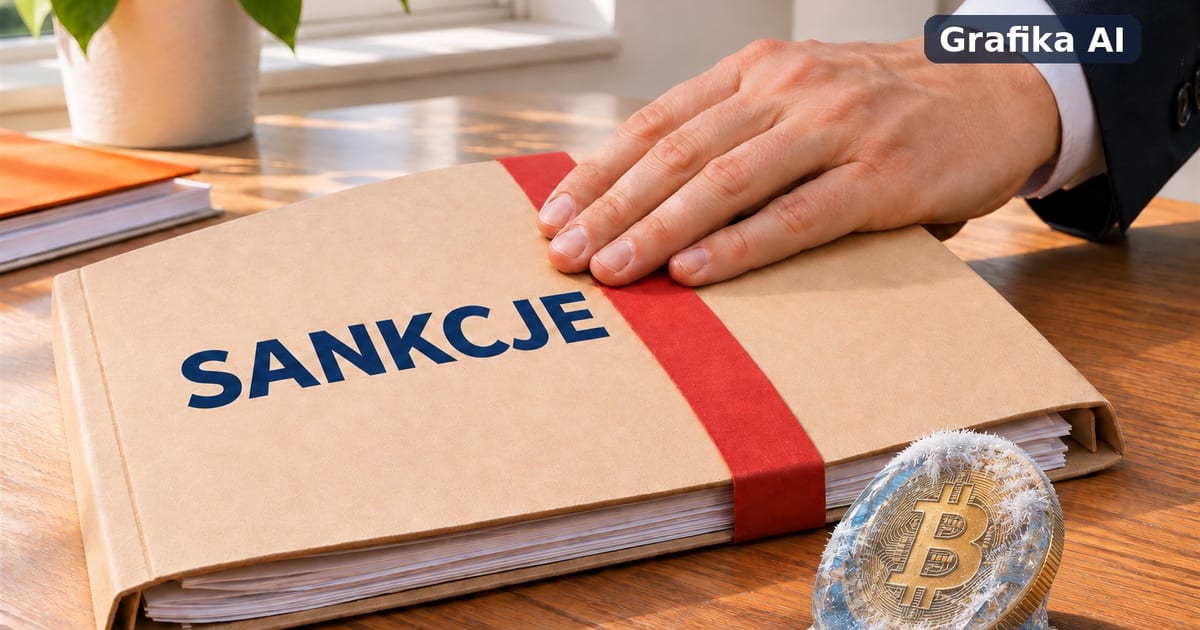
- On November 6, the Sejm passed the Act on restrictive measures. There were 240 MPs in favor, 202 against and one abstained.
- The Minister of Internal Affairs will be able to freeze funds of persons and companies from the national sanctions list, including crypto-assets. The decision will take effect the day after it is published online, without prior court approval.
- A person entered on the list may appeal against the decision to the administrative court, but the funds are frozen until the final judgment is issued.
- The act applies only to persons and companies from the list. Now it will be dealt with by the Senate, then by the president.
What does the Act on Restrictive Measures change?
The list will include a person or company that supports a country subject to EU sanctions or serious violations of human rights, is directly associated with such persons, or initiates or finances the manipulation of information that poses a threat to state security. This last base is new. The Act explicitly excludes journalistic, journalistic and publishing activities, unless they constitute conscious participation in such a campaign.
Freezing before the court deals with it
You will learn about the minister’s decision from the ministry’s Public Information Bulletin. It becomes enforceable the day after publication. The Act does not provide for an application for reconsideration of the case by the minister, but a person from the list may request that the entry be changed or deleted, providing a justification.
You may appeal against the decision to the provincial administrative court. However, the Act stipulates that the contested decision remains in force until the judgment becomes final, and excludes Art. 152 § 1 of the law on proceedings before administrative courts.
The Act explicitly includes crypto-assets within the meaning of the EU MiCA regulation as financial resources. A freeze means a prohibition of all movements, transfers, alterations and transactions in these funds. In exceptional cases, the Minister of Economy may establish a management board that will sell the frozen assets. Condition: the sale must be necessary for the company operating in Poland to maintain jobs or public services.

Who is affected and who is not
The freeze applies only to the assets of persons and companies entered on the list. The act does not apply to an ordinary bitcoin holder until he or she is listed. Responsibilities fall on institutions that hold other people’s funds. A stock exchange or a bank that does not freeze the funds of a person on the list or makes them available will be exposed to criminal liability.
The penalty for making funds available to a person from the list or not freezing them is from 6 months to 8 years in prison, and in the case of property of significant value – from 1 to 10 years (Article 63). The penalty for concealing assets that are to be frozen is the same, from 6 months to 8 years (Article 67).
What’s next with the bill?
What does this mean to you