
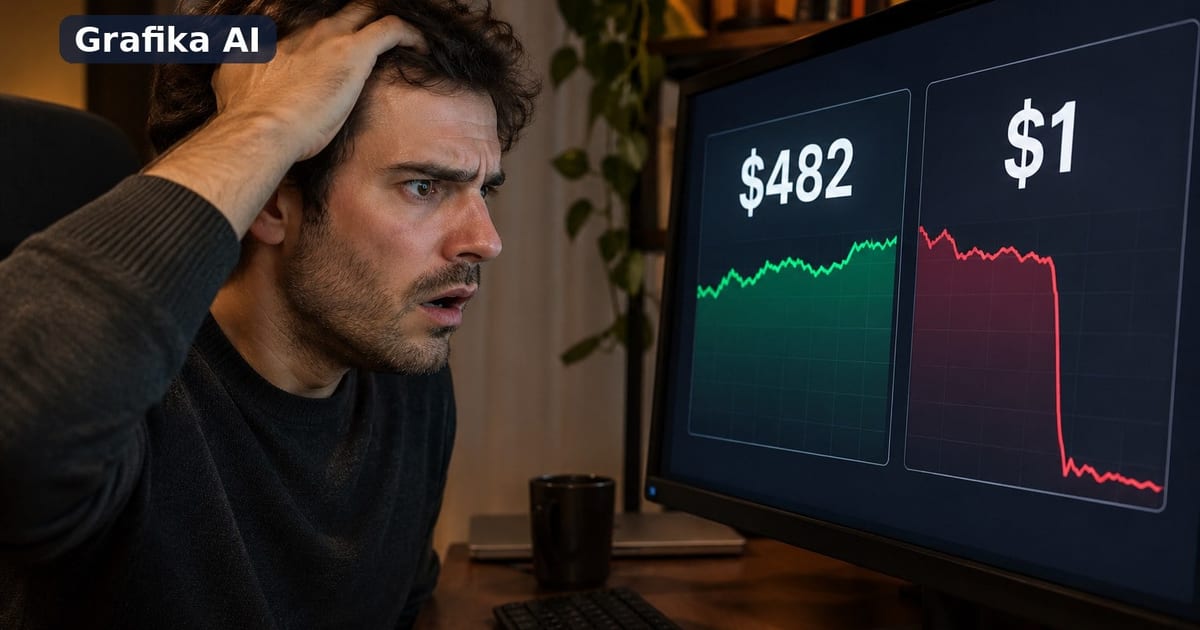
- On Friday morning, XMR1, a wrapped Monero token listed on Hyperliquid, fell from almost $488 to about a dollar in about 30 minutes. Native Monero cost around $480 at the time.
- The new wallet received 5.2 million XMR1 from the token creator’s address. By 7:51 UTC he had sold approximately 364,000. tokens for approximately $13.5 million, and there are approximately 4.83 million left on the address.
- It is not known whether the transactions were authorized or whether someone took over the wallet. The token issuer, Wagyu, has not issued a statement.
What happened to XMR1
XMR1 is issued by Wagyu, a cryptocurrency exchange service. The token is listed on Hyperliquid via the Wagyu interface. According to the issuer, it can be exchanged for native Monero through the bridge, which is an inter-network exchange service run by Wagyu itself. XMR1 owners therefore depend on whether Wagyu maintains this bridge.
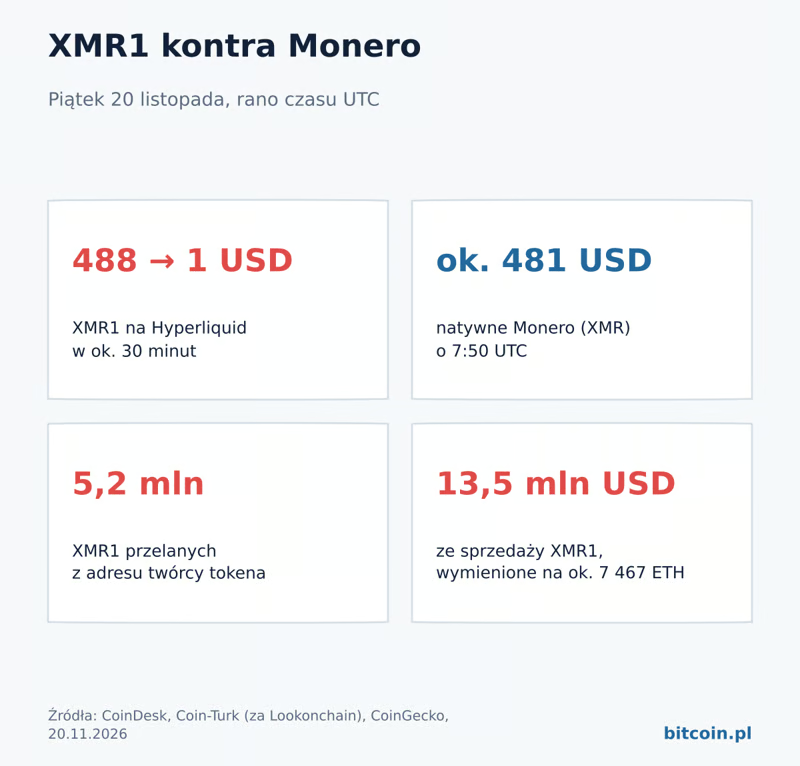
It is not known whether the transactions were ordered by Wagyu or someone took over the wallet. Scam Sniffer marked them as suspected theft, but noted that the matter was being investigated. Wagyu did not issue a statement, and Hyperliquid did not announce a freeze of funds. When CoinDesk checked the rate, XMR1 was trading at around 91 cents.
At the end of October, Wagyu admitted to leaking data from three months of operations. Records could link deposits to Monero addresses and customer IP addresses. The company then assured that the funds had not been harmed. According to CoinDesk, no one has linked this leak to Friday’s transactions.
Why XMR1 is not Monero
The wrapped token is the issuer’s promise that it can be exchanged for a real coin. When a large pool of tokens suddenly hits the market and it’s unclear whether the exchange is working, that promise can lose value in minutes. Native Monero operates independently of Wagyu on its network. It also became cheaper on Friday, according to CoinGecko, by about 8% in 24 hours, but not by 99%.

What does this mean to you