
Key takeaways:
- The SEC has given the green light to experimental trading of tokenized stocks through blockchain liquidity pools and automated market makers.
- This does not mean full deregulation of DeFi yet: The SEC treats the program as an experiment and wants to collect data on its basis, including: prices, volume, trading time and liquidity pool addresses.
- This may be an important step for the tokenization of traditional assets: the SEC wants to check whether solutions known from DeFi can be used on the regulated capital market.
SEC gives green light to tokenization
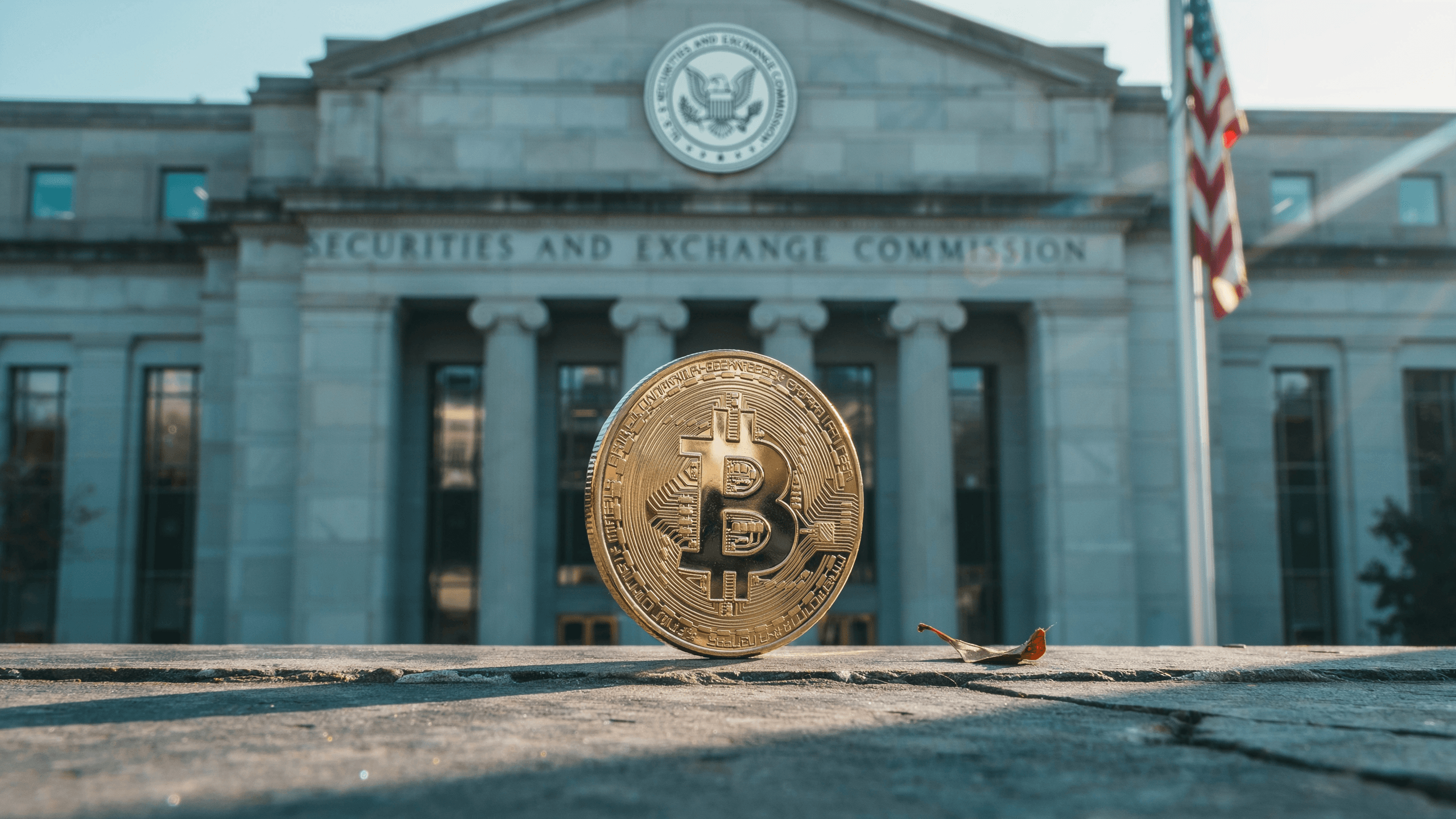
On September 17, the SEC approved a temporary “innovation exemption” that allows limited trading of tokenized stocks through automated market makers and blockchain-based liquidity pools. Eligible platforms (Tokenized Securities Venues, TSV) will be able to trade tokenized versions of US-listed stocks using automated market makers and liquidity pools on public blockchains.
Earlier this week, Congress failed to pass the CLARITY Act, despite the tireless efforts of many
SEC Chairman Paul Atkins said.
Today, the Securities and Exchange Commission is taking a significant step forward (…) to bring America’s capital markets into the digital age by making it easier to trade certain tokenized stocks through an ‘Innovation Waiver’
– he added.
BREAKING: The SEC just approved onchain trading of tokenized stocks, under a temporary, limited exemption. This lets crypto platforms offer tokenized versions of stocks like Apple and Tesla with lighter rules while the SEC builds permanent regulation.
So this sounds very good, but let’s go into more detail. First of all, it is worth adding that officials treat all this as an experiment: they are supposed to collect and analyze data that will allow them to answer the question of what to do next in this matter.
The TSV platforms themselves only receive temporary permission to operate. More precisely, they may not now fear that their activities could result in them becoming an “exchange” within the meaning of the Securities Exchange Act of 1934, which could mean that – in different circumstances – they would be subject to different regulations. However, they must meet conditions regarding public announcements, transaction transparency, record keeping and technological security. The SEC is also to have access to data on transactions denominated in US dollars – they are to be publicly available at regular intervals and include information such as: price, transaction size, time and address of the liquidity pool.
SEC Commissioner Mark Uyeda says the idea is to achieve “responsible experimentation, learning and adapting old safeguards to new conditions.” He pointed to money market funds, index funds and exchange-traded funds as examples of how this will work. These types of entities have already benefited from this SEC model and have ultimately become a permanent fixture in the modern financial world.
Importance for the industry
Chris Hayes, executive director of the Coalition for Tokenized Markets and partner at Thorn Run Partners, believes that “an ‘innovation exemption’ could make DeFi trading platforms and liquidity pools compete much more directly with traditional exchanges and alternative trading systems, while operating within a more flexible regulatory framework,” and “this could encourage more traditional market participants to shift activity to tokenized markets and help accelerate adoption.”