

Key conclusions
- The new ARMA bill completely abandons the US government’s plan to compulsorily purchase 1 million BTC.
- The regulations introduce a strict 20-year ban on the sale or any disposal of cryptocurrencies controlled by Washington.
- The Treasury Department will be required to publish quarterly proof of reserves reports and submit resources to external audits.
The US Congress has received a new, bipartisan bill that radically changes existing plans to build a national cryptocurrency stockpile. The document titled the American Reserve Modernization Act of 2026 – known as the ARMA Act – imposes a hard block on state digital assets for a minimum of two decades. The initiative, co-led by Nick Begich of the Republican Party and Jared Golden of the Democrats, is a direct attempt to turn Donald Trump’s executive order last year into permanent and binding federal law.
🚨NEW: US BITCOIN RESERVE BILL IS ON THE TABLE Rep. Nick Begich and Rep. Jared Golden introduced a bipartisan bill to lock US government Bitcoin holdings into a Strategic Bitcoin Reserve for at least 20 years. The ARMA bill launches with 16 co-sponsors and creates a
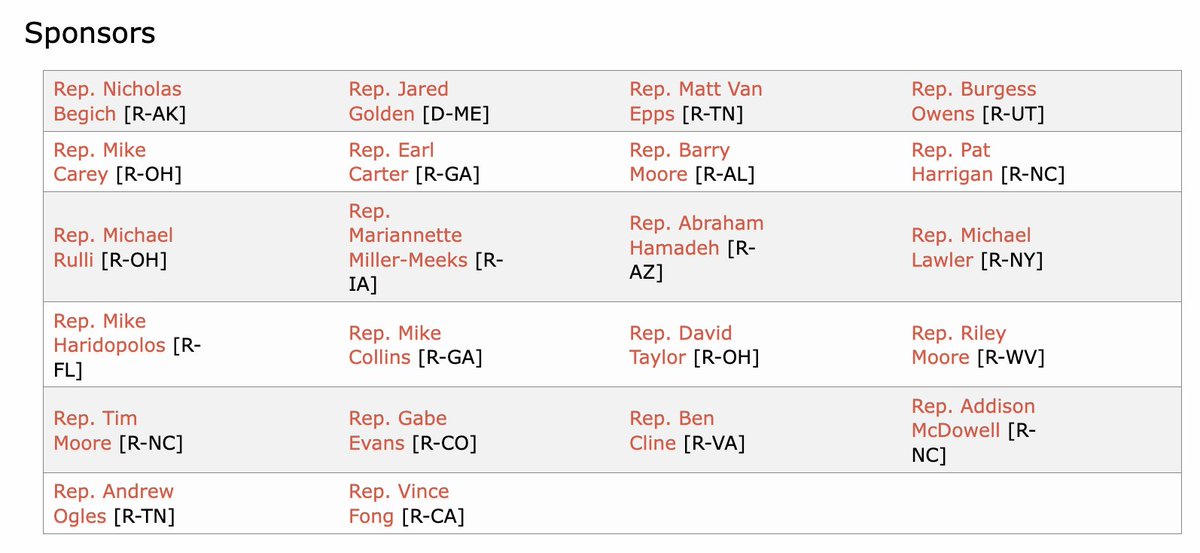

The ARMA project introduces an absolute ban on the sale of digital assets
The current shape of the legislation redefines previous, loud announcements.
Previous versions of the projects, developed under the name BITCOIN Act, assumed a rigid schedule for purchasing one million tokens from the open market within five years. ARMA distances itself from these assumptions. The authors did not include any specific quantitative or quantitative goal in the document. Instead, they force the Treasury Department and the Commerce Department to conduct detailed analyzes of whether the state can make further purchases in a completely neutral way for the federal budget.
Financing the reserve and the new rigors of the ARMA Act
The new mechanism for building the reserve eliminates the direct involvement of taxpayers’ money. The ARMA Act identifies alternative sources of inventory financing. The funds are to come from, among other things, the conversion of non-Bitcoin tokens currently held by the state, the revaluation of gold certificates, customs revenues and ongoing confiscations in criminal and civil cases. This is an implementation of the strategy presented by Treasury Secretary Scott Bessent at the beginning of the year, declaring an immediate halt to the sale of cryptocurrencies seized by law enforcement agencies.
Government agencies will have only 60 days from the entry into force of the regulations to prepare a full audit of controlled resources.
The scale of capital decided by officials in Washington is gigantic. The Arkham Intelligence analytical platform estimates the current value of cryptocurrencies held by American state structures at nearly $26 billion. This amount mainly consists of Bitcoin, Ether and stablecoin USDT secured in lawsuits.
Transparency and market supervision of the new ARMA structure
The increase in control over billions of reserves is intended to silence critics of state interventionism in the cryptocurrency market. The ARMA Act implements restrictive transparency mechanisms that have not previously been applied to traditional currency or metal reserves. The system is based on three pillars: quarterly, publicly available proof-of-reserve reports, mandatory audits carried out by independent external entities, and constant supervision by congressional committees.
The introduction of these safeguards is intended to prevent the manipulation of resources by individual federal agencies. Obliging the government to disclose the structures of cryptographic portfolios at three-month intervals will change the US position on the global financial market. The American state apparatus will cease to function as an unpredictable seller of mass amounts of seized cryptocurrencies, becoming an institutional long-term holder.