
Key conclusions
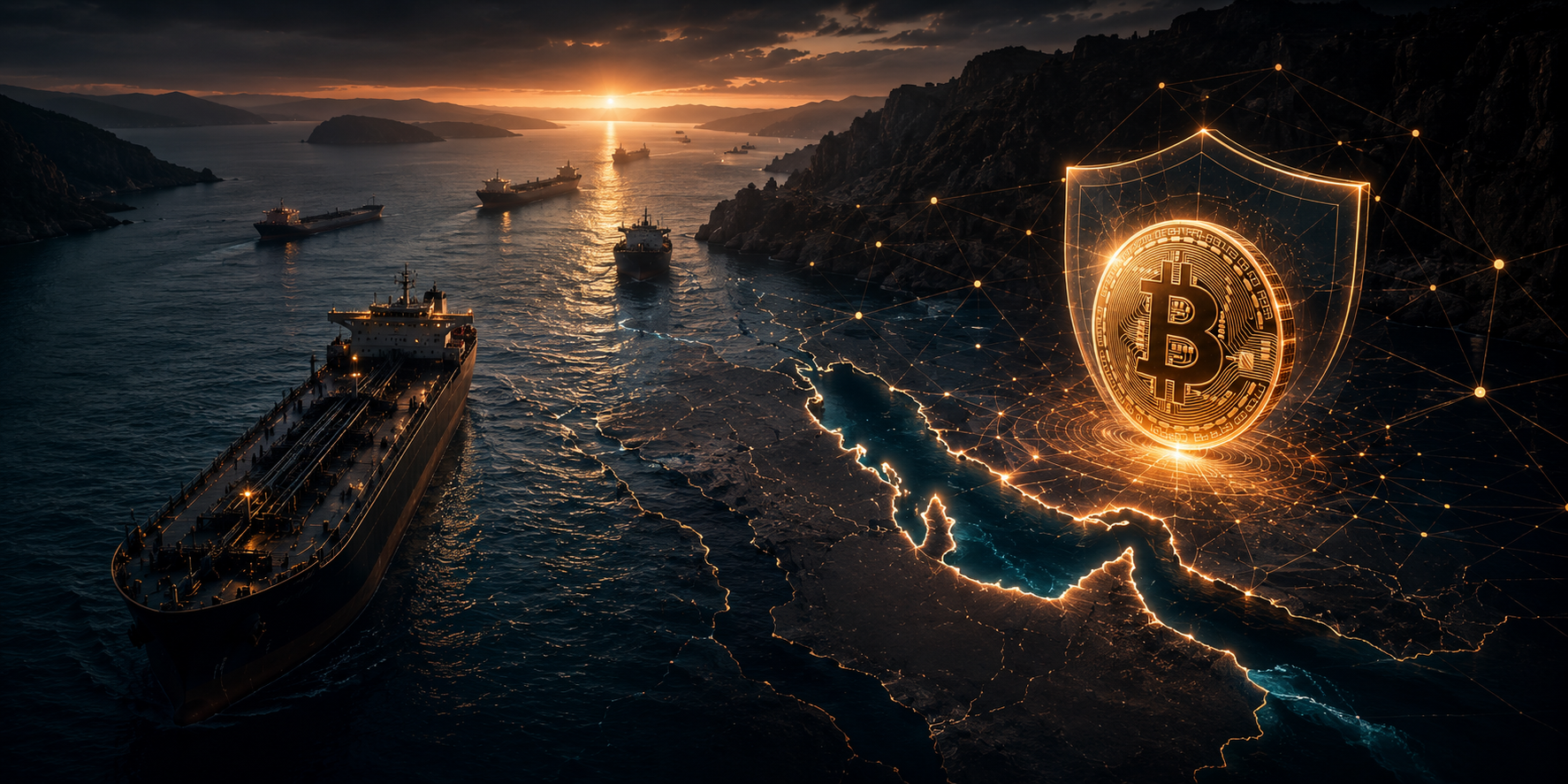
- The Iranian Ministry of Economy has launched the Hormuz Safe insurance platform, which enables settlement of maritime cargo policies in bitcoin.
- Tehran aims to obtain over USD 10 billion in revenues from transport traffic in strategic regions of the Middle East.
Fars news agency affiliated with the Islamic Revolutionary Guard Corps revealed the implementation of the Hormuz Safe digital platform. The tool is used to issue marine insurance policies and civil liability certificates for commercial ships. All financial settlements are based on cryptocurrencies, which allows you to completely bypass the traditional Swift banking system.
This plan is not a sudden move. Documents from the Ministry of Economy show that official work on the implementation of the system has been ongoing since April. The official announcement on the platform indicates that Hormuz Safe guarantees Iranian shipping companies and cargo owners instant insurance, where payments are secured by the blockchain network.
Iran Launches Bitcoin-Settled Maritime Insurance Platform Hormuz Safe Iran has launched Hormuz Safe, a state-backed digital maritime insurance platform for vessels transiting the Persian Gulf and the Strait of Hormuz, supporting settlement in Bitcoin and other cryptocurrencies.
Maritime security and the Strait of Hormuz
A strategic control point on the world map becomes a digital financial training ground. The new insurance program is intended to generate profits from protecting cargo against risks that have so far paralyzed regional transport. These include procedures related to forced inspections, detention of vessels and confiscation of goods by naval forces.
Government analysts in Tehran estimate the potential of this market at more than $10 billion.
About one-fifth of global oil consumption passes through the Strait of Hormuz bottleneck every day.
Bitcoin instead of the dollar in the Persian Gulf
Cryptocurrencies are no longer just a speculative tool for Tehran, but have become an element of the state’s defense infrastructure. Information about the search for alternative payment methods has been circulating in the industry for a long time. Hamid Hosseini, spokesman for Iran’s Association of Oil, Gas and Petrochemical Exporters, confirmed to the Financial Times that tanker transit fees could be charged directly in bitcoin or Chinese yuan.
The stakes are high. The cost of moving one unit, depending on the tonnage and type of cargo transported, reaches up to $2 million. The introduction of bitcoin as the official settlement currency in insurance eliminates the need to convert funds into US dollars, which protects transactions from immediate blocking by the US Treasury Department.
The Block portal indicates that the launch of the platform coincides with increased volatility in cryptocurrency markets. Bitcoin saw its value drop below the $77,000 level. This decline was caused by global concerns about inflation and growing geopolitical tensions in the Middle East. Previously, the price of the digital asset was around $82,000.
Hormuz Safe operational verification
Independent shipping traffic monitors have not yet confirmed the physical conclusion of the first insurance contracts via the new website. There is no publicly available data confirming transactions from foreign shipowners. The shipbuilding industry and logistics corporations approach Iranian declarations with caution, fearing secondary sanctions from the United States.
Blockchain systems ensure transparency of wallet flows, which means that Western analytical agencies will be able to track addresses associated with Hormuz Safe. Tehran accepts this risk, focusing on the speed of transactions and the inability to physically freeze funds on decentralized accounts.