
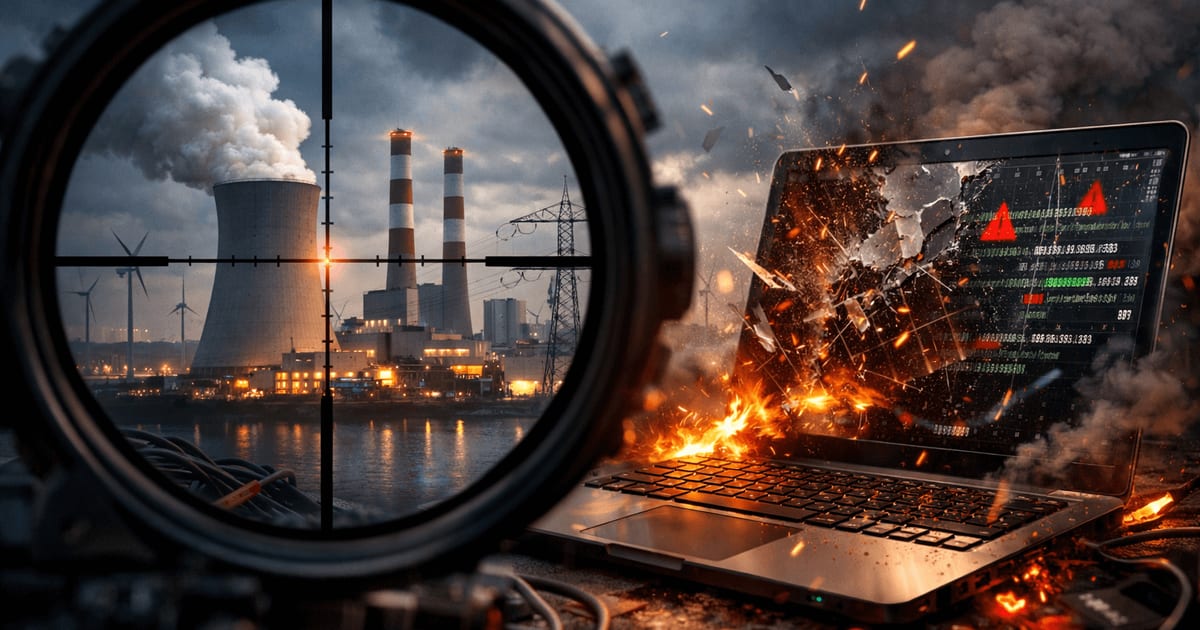
Do you remember the end of December 2025? When most of us were getting ready for New Year’s Eve, things happened in the Polish energy network that still make people in the IT industry crawl. This was probably the most massive raid on our critical infrastructure in the last decade. The guys from ESET then tracked down something they called a name DynoWiper. A digital battering ram that had one goal – to send our power plants and renewable energy systems to the ground.
Sandworm is on the attack again. What did they come up with this time?
Behind all this fuss is none other than Sandworm. If this name doesn’t mean anything to you, remember the blackout in Ukraine in 2015 – it was, among other things, their work. These are not amateurs from the basement, but an elite hacking unit on the short leash of Russian intelligence. This time they decided it was time to test Polish resilience.
What landed in their sights? Two thermal power plants and (interestingly) systems controlling wind farms and photovoltaics. They used the above-mentioned DynoWiper for this purpose. This is not a virus that steals account passwords. This is a typical “cleaner”. Its task is to get into the system, make a mess and permanently delete data, turning operating systems into useless rubble. It can be said that the Polish cyber services had their little miracle on the Vistula on December 29 – the attack was repelled, but the code was so complicated that one thing was visible – the attackers had been preparing for it for months.
The government is putting the services back on their feet
Energy Minister Miłosz Motyka did not mince words – he bluntly called it the strongest hit on infrastructure in years. Prime Minister Tusk also does not intend to wait on his hands. He announced extraordinary security measures and tightening the screws in regulations. The new regulations are intended to force key companies to keep an eye on OT systems (those that physically turn turbines) like the eye in the eye.
Why did they target green energy specifically? It’s simple. They wanted to show that our modern energy mix is fragile. Poland has become a testing ground for hybrid warfare for them. And although this time there were no losses in portfolios, experts warn: if they had gotten away with it, the costs amounting to hundreds of millions of dollars and chaos on the stock exchanges would have been the least of their problems.


What does this mean for the crypto world?
For anyone involved in Web3 or crypto, such actions are a loud alarm bell. Listen, without electricity in the socket, this whole digital revolution, Bitcoin mines and blockchain nodes simply become dead. Each such incident is an immediate spike in pressure on digital asset markets.
Analysts say it straight – in the era of cyberwar, decentralization and own power sources are no longer a hobby for preppers, but a strategic necessity. We can enjoy Bitcoin’s next ATH, but let’s remember about the fundamentals. If the physical network on which crypto-protocols are based collapses, market liquidity will evaporate faster than we think. DynoWiper has proven that the security of our wallets begins where the power plant turbines are located.