Key conclusions
- The US Department of Commerce has lifted export restrictions on advanced Mythos and Fable Anthropic systems, restoring global availability of the software.
- The decision was forced by market pressure from Asian companies that created competitive solutions with similar performance.
- American technology companies are coming under individual supervision by the White House regarding source code distribution.
Political retaliation or real protection against the threat
The federal government included these systems on the blacklist of technologies subject to strict export controls just a few days ago, on June 12. This decision meant a legal ban on sharing the code with any foreign entities or foreigners without obtaining special, individual government permission. Fulfilling these procedures in the realities of open cloud services turned out to be technically impossible. For this reason, Anthropic’s management made the drastic decision to completely disable the platform for external users.
From the beginning, independent cybersecurity experts expressed deep skepticism about the intentions of Washington officials.
The industry environment perceived the June ban as a direct attempt to exert political pressure. The administration used trade regulations to target a company whose executives had openly criticized the White House’s plans for military and political use of autonomous systems. The introduction of the blockade coincided with a public debate on the security of national data, but market analysts point out that officials’ arguments about counteracting IT sabotage were only a pretext for a demonstration of force.
Corporate Concessions and the New Mythos Model in the Geopolitical Game
The official announcement from the Department of Commerce, signed by Secretary Howard Lutnick, indicates a bilateral agreement. Anthropic has committed to implementing mechanisms for proactively detecting security vulnerabilities in the architecture of its systems. The corporation must now closely report any malicious use of code and consult with government officials on security criteria before Mythos or subsequent versions receive updates.
The company had previously implemented most of these procedures on a self-regulatory basis, which was confirmed by technical audits from the beginning of the year.
However, the main reason for Washington’s capitulation was not corporate concessions, but the rapid technological development in Asia. State and private entities there have launched competing Fugu and Tulongfeng platforms. These tools achieved operational parameters almost identical to American solutions. Maintaining the export block for Anthropic risked Silicon Valley irreversibly losing its technological dominance to Asian entities.
Regulatory chaos and an uncertain future of the US technology sector
The actions of the state administration cause extreme legal uncertainty among investors on technological and financial markets. A week before the blockade was lifted, Howard Lutnick allowed the systems to be distributed only to a narrow group of commercial customers who had received personal approval from presidential officials. A similar closed verification mechanism covered recent OpenAI products, which permanently cut off the general public from innovative tools.
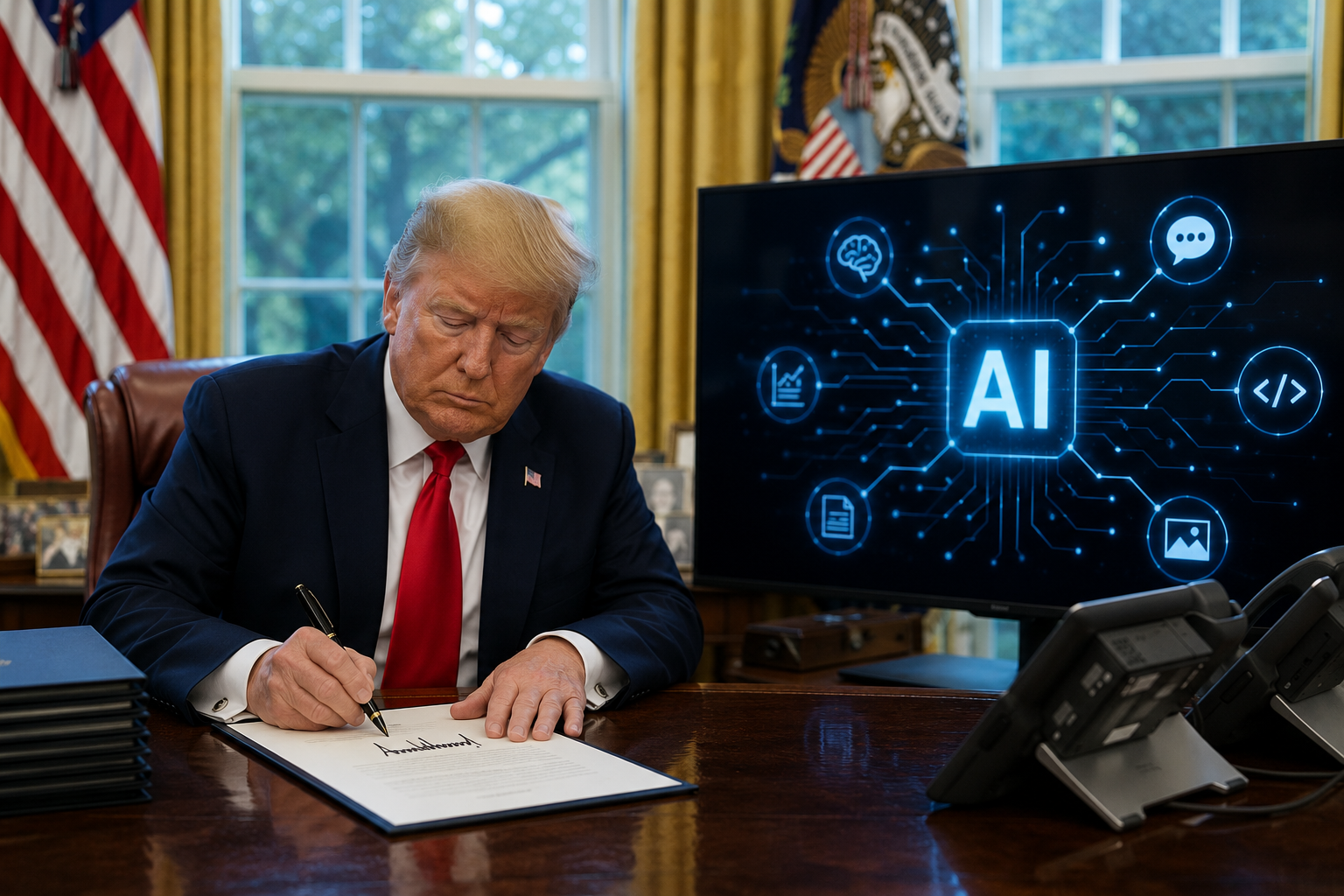
Business is losing ground. The June presidential decree introducing mandatory government certification of software before its market debut was met with withering criticism. Dean W. Ball, currently responsible for the regulatory strategy at OpenAI, described the new regulations as a barrier hindering the development of innovation. The lack of transparent evaluation criteria means that American companies are unable to plan global implementations.